
Thoughtful details, meaningful experiences, and travel that feels entirely your own.
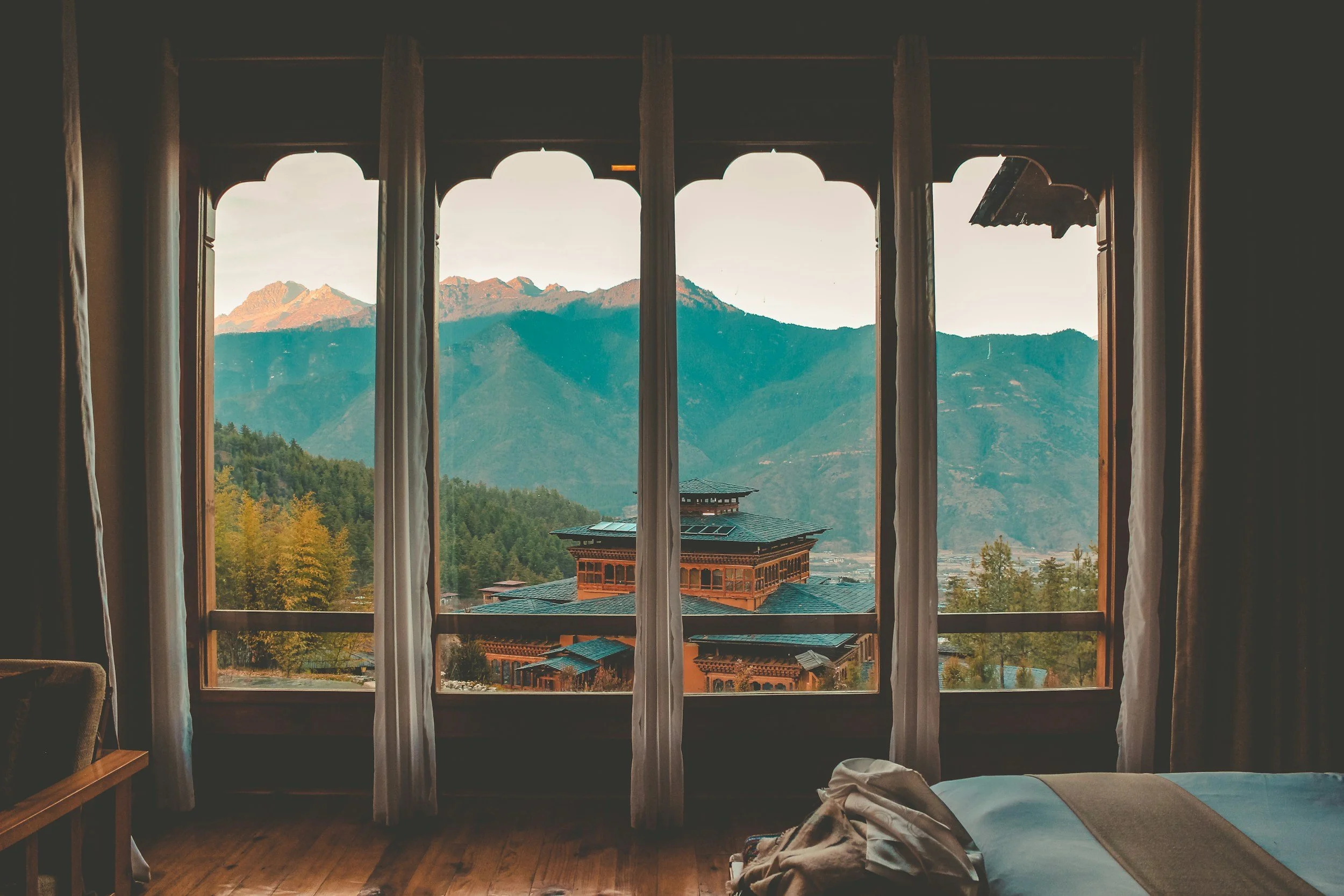
Luxury is personal. A couple celebrating an anniversary in Italy may care most about a quiet room with a view, a private guide who makes ancient history feel alive, and a vineyard lunch that does not feel staged. A family traveling during a school break may place equal value on connecting rooms, a pool everyone will use, reliable transportation, and a schedule that does not ask exhausted children to appreciate a museum at 3 p.m.
The common thread is not excess. It is thoughtful fit.
A well-chosen hotel can set the tone for an entire trip. It may be a landmark city property within easy walking distance of the places you want to experience, a discreet beach resort where days naturally slow down, or a design-forward retreat that feels connected to its setting. The right property makes the destination easier to enjoy. The wrong one can create friction, no matter how lovely it looks online.
This is also why hotel value is about more than the nightly rate. Preferred partner benefits can add meaningful comfort, such as daily breakfast, a potential upgrade when available, a resort or hotel credit, and direct communication with the hotel team. These details are not guaranteed to transform every stay, but they can make an already excellent choice feel more cared for from check-in onward.
The Difference Is in the Pacing
A packed itinerary can look impressive in a shared document and still feel like work once you arrive. Travelers often tell themselves they need to see everything because they may not return soon. That instinct is understandable, especially for a first visit to a destination like Rome, Tokyo, or Paris. But memorable travel needs breathing room.
Thoughtful pacing creates space for the moments that cannot be scheduled: finding a favorite neighborhood cafe, spending an extra hour by the pool, accepting a recommendation from a guide, or simply resting after a long flight. It also accounts for the practical reality of travel. Jet lag, weather, traffic, children, and unexpected closing times are all part of the experience.
A strong plan balances a few anchor experiences with generous open time. You might arrange a private orientation tour on the first full day, reserve a sought-after restaurant for one evening, and leave the next afternoon intentionally unplanned. That is not under-planning. It is making room for a trip to unfold naturally.
When More Planning Is the Better Choice
There are times when a more detailed itinerary is absolutely worth it. Milestone celebrations, multigenerational trips, short stays in high-demand cities, cruises with limited port time, and remote destinations often benefit from advance decisions. The goal is not to fill every minute. It is to protect the experiences that matter most and remove avoidable uncertainty.
For a family of six, for example, a last-minute dinner search can turn into an hour of compromises. For a birthday trip, hoping a special restaurant has availability may add unnecessary stress. Planning ahead lets the group relax once they arrive, while still leaving room for a late breakfast or an unplanned gelato stop.
Great Hotels Are a Starting Point, Not the Whole Trip
A standout stay matters, but a beautiful room alone does not create a well-designed vacation. The surrounding details shape how the trip feels: the flight timing that preserves your first day, the driver who meets you after a long journey, the restaurant reservation that suits your mood rather than a generic “best of” list, and the guide who knows how to engage your particular group.
The most useful recommendations are specific. Not simply a list of top attractions, but guidance on which ones deserve your limited time. Not a restaurant with endless acclaim, but one that fits the evening you want to have. A lively bistro may be perfect after an afternoon of shopping. A quiet tasting menu may be better for a celebration. Both can be wonderful, depending on you.
Local experiences deserve the same care. Private tours offer flexibility and depth, especially for families, first-time visitors, or travelers with a focused interest. Small-group experiences can bring a welcome social element and often offer better value. Independent wandering can be the most rewarding choice of all in the right place. Luxury is having the insight to choose intentionally rather than assuming the most expensive option is automatically best.
Why Expert Planning Saves More Than Time
Most travelers can book a hotel online. The challenge is sorting through polished photos, conflicting reviews, room categories, location trade-offs, cancellation terms, and the difference between a property that is fashionable and one that is genuinely right for your trip.
That research takes time, and the stakes rise quickly when multiple travelers, destinations, or reservations are involved. A travel advisor’s value is not just knowing appealing hotels. It is asking the questions that lead to better decisions: Do you want to be in the center of the action or have a calmer retreat at the end of the day? Would you rather spend on an exceptional hotel or put more of the budget toward private experiences? Is this a trip to celebrate, reconnect, recharge, or explore?
Those answers influence everything from the destination to the daily rhythm. They also help prevent common disappointments, such as booking a resort that is too isolated for travelers who want to explore, choosing a hotel room that is technically large enough but impractical for a family, or arranging a beautiful itinerary with too many early mornings.
At Michelle McDonagh Travel, planning begins with understanding the travel vibe you want, then translating it into a considered trip with accommodations, transportation, experiences, dining guidance, and support aligned around it. The point is not to hand over a rigid schedule. It is to give you a clear, confident plan that makes the journey feel easy.
Spend Where It Changes the Experience
A luxury trip does not require upgrading every element. In fact, selective spending often creates a more satisfying result. A memorable hotel in the right location may be worth prioritizing over daily private tours. On another trip, a simpler room may make sense if a once-in-a-lifetime guide, expedition, or celebration dinner is the real priority.
Consider what you will remember most. If you are planning a beach escape, the quality of the resort, its service, and how easily you can settle into the day may matter more than leaving the property for multiple excursions. If you are visiting a culture-rich city for the first time, a great guide on day one can add context that makes the rest of the trip more meaningful.
It also helps to reserve a little flexibility in the budget. A better room category becomes available. A favorite local restaurant has an opening. Weather makes a private boat day especially appealing. A plan with some margin allows you to say yes when an opportunity genuinely improves the trip.
The Quiet Confidence of Being Looked After
Travel always carries variables. Flights change, rain arrives, a reservation needs adjusting, or a traveler gets sick. No planner can eliminate every surprise. What thoughtful travel design can do is reduce the number of decisions you must make while you are away and ensure there is someone who understands the plan when something shifts.
That support is especially valuable for complex itineraries, important celebrations, and trips where your time together is limited. Instead of spending vacation hours on hold, comparing alternatives, or trying to explain your booking history to several different people, you have a clear point of contact and a plan built with the whole journey in mind.
The finest trips do not feel overproduced. They feel calm, personal, and full of the kind of details you may not notice until you realize you have spent an entire day enjoying where you are instead of figuring out what comes next. Start there: choose what you want the trip to feel like, then let every decision support that feeling.
